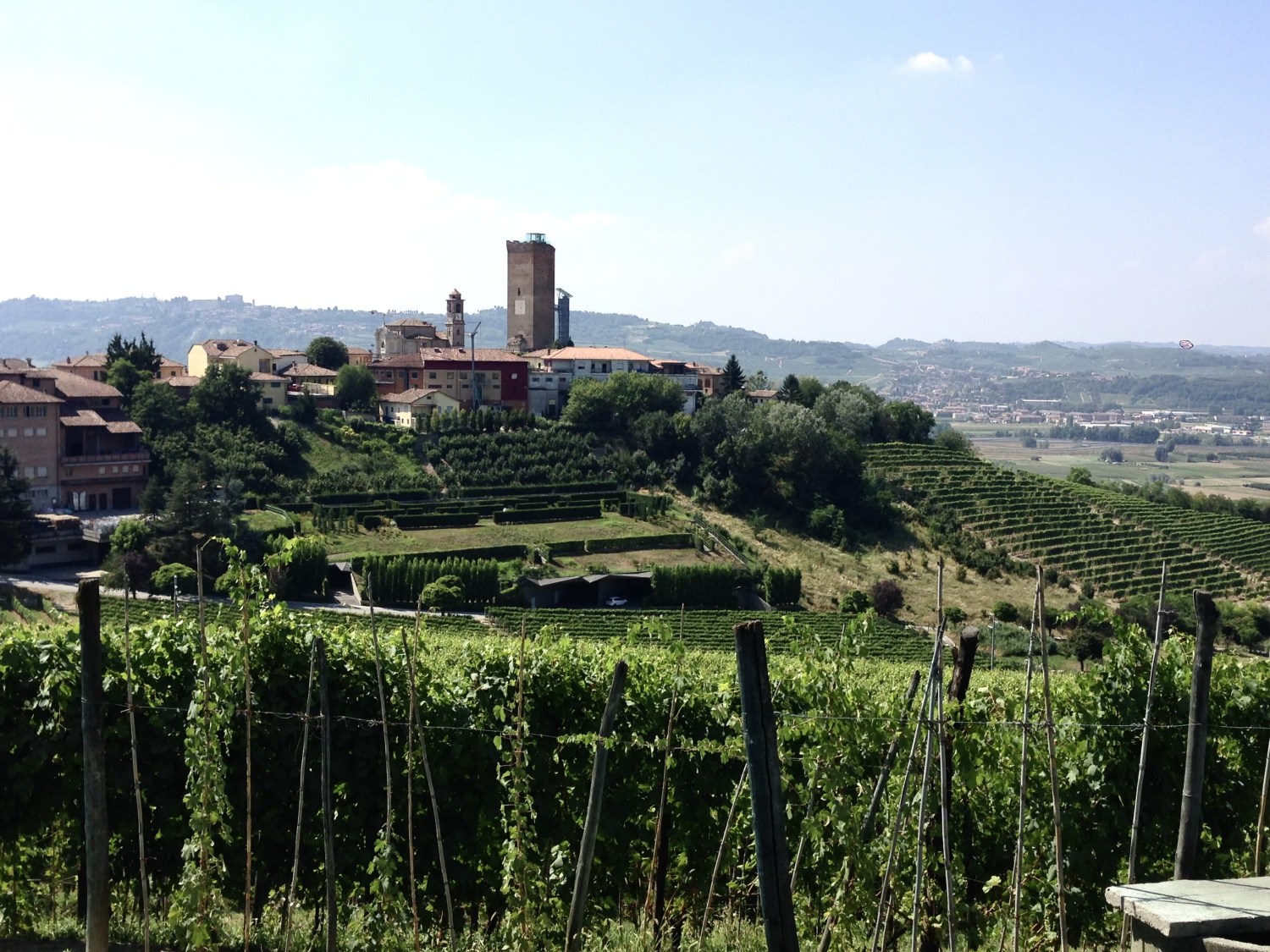

Bright, taut fruit, alpine verve and complexity, limestone and marl minerality and tantalizing acidity coalesce to rear sheer, liquid nirvana; these allusive elements are everything I hanker for in the glass. Few wine regions around the world possess them all; Italy’s Piedmont is one such exception. My hands down, favorite wine region of Italy, is the alpine pocket in the northern reaches of the country. Home to Barbaresco and Barolo, this is Nebbiolo country, but the region, like the rest of Italy, boasts myriad ancient grape varieties that are as alluring as they are unique.
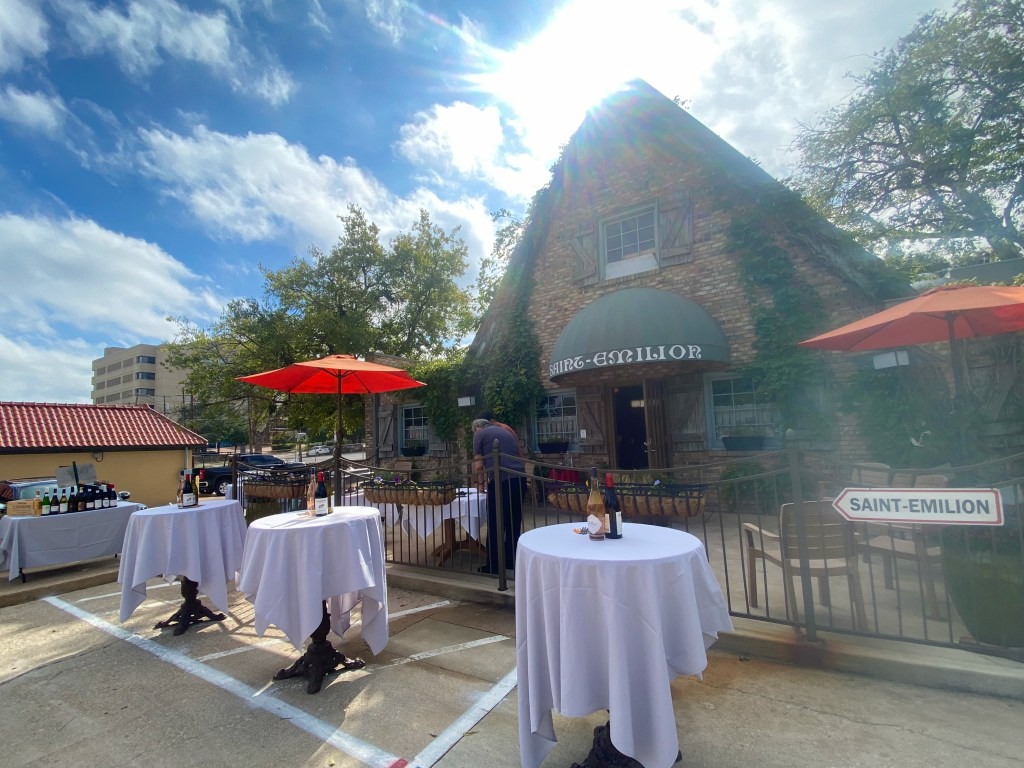
Unlike France, which has classified its grapes, appellations and vineyards with unparalleled organization, Italy has never quite gotten around to streamlining its virtually countless indigenous varietals much less the prize vineyards in some of the country’s most prestigious DOCGs and DOCs (or classified appellations). There are arguably 590 different grape varieties and immeasurable synonyms for each. Nebbiolo alone has garnered roughly 100 different synonyms over its documented history that spans back to the 11th century. With such a dizzying array of information, it’s seemingly impossible for a newcomer to Italian wine to know where to start. Nevertheless, I’ve decided to shine a small light on my favorite Italian region from my recent Piedmont tasting dinner at Saint-Emilion Restaurant in Fort Worth, Texas. We kicked things off with a palate-opening Rosato at the reception then worked our way through two of my favorite Piedmontese white wines, navigated a few indigenous red wines then closed with the magic of Nebbiolo.
Tintero Vino Rosato NV
Vino Rosato, Italy’s rendition of rosé crafted with local varietals wherever it’s made, is made in Piedmont with the local workhorse grape, Barbera as well as a minor blend of other native grapes. This particular example, brought in by one of my all-time favorite importers, Kermit Lynch, is crafted with Barbera and blended with indigenous Arneis and Moscato. Produced by Cantine Tintero, the family firm evolved out of a love match when a Frenchman fell in love with a widowed vignaiola (winegrower) back in 1900. Their entire lineup offers ridiculous price-to-quality and this rosato is among my go-tos for daily drinking wines. This palate-opening charmer is a perfect marriage of Piedmontese varietals that will refresh in the sunshine or delight with just about anything served on a plate.
Cantine Povero, Roero Arneis, 2022
The ultimate Italian comeback kid, Arneis, which translates to “little rascal,” is an ancient white variety that’s a Piedmontese native. Before modern climate-controlled fermentation, the grape had a notorious tendency to oxidize and Arneis was in danger of extinction as vignerons replanted vineyards to Nebbiolo with the popular rise of Barolo and Barbaresco in the sixties. Thankfully, a handful of producers recognized Arneis’s allure and its vast potential with temperature-controlled fermentation. Today, while it remains one of the world’s more rare white grapes, it is celebrated as an enchanting white wine of Piedmont’s Roero appellation, which lies just north of Barolo. With perfumed notes of pear, apple and subtle stonefruits, laced with almond, nutmeg and white blossoms, Arneis has a textured mouthfeel that is a beautiful paring partner with food, but is equally lovely all on its own.
Francesco Rinaldi, Gavi Cortese, 2022
Like Arneis, Cortese is an indigenous white grape that hails from Piedmont’s Gavi appellation. It boasts divine perfume, bracing acidity and intoxicating minerality, but is light, lithe and refreshing on the palate. This particular wine is crafted an important traditional producer, Francesco Rinaldi, that was founded in 1870 and continues to be helmed by the ninety-year-old Luciano Rinaldi and his nieces, Paola and Piera. This stunning white wine offers an astonishing price-to-quality from the celebrated family firm. With perfumed floral aromatics over bright pear, citrus zest, fresh chervil and nuanced minerality, this Cortese di Gavi is everything I crave in a springtime white wine with perfume, quaffable delight and a poised balance to charm you senseless.
Francesco Rinaldi, Grignolino d’Asti
Grignolino is a lesser-known native red grape of Piedmont that dates to at least the 12th century. It is bright, packed with fresh red fruit, spice and savory complexity. Light-bodied and ridiculously refreshing, I love it with a good tartare or salumi. Think of this wine in terms of a Beaujolais nouveau at its best.

Il Palazzotto, Dolcetto di Diano d’Alba ‘Sori Cristina’ 2021
With an abundance of brambly berries, violets, savory nuance and spice as well as soft, approachable tannin, Dolcetto is a true crowd-pleaser at its modest price point. The early ripening grape is often relegated to the status of little cousin to Piedmont’s regal Nebbiolo, but Paolo Olivera of il Palazzotto has staked his claim on Dolcetto and made it his specialty. Crafting single-vineyard wines with indigenous yeast only, Olivera’s Dolcettos offer a deep-focus expression of terroir and varietal purity without the use of fining or filtration. In short, his wines are the pinnacle of the Dolcetto varietal and the ‘Sori Cristana’ from Diano d’Alba, within the Barolo appellation, is my favorite of his formidable lineup. Derived from a limestone and marl-laden hilltop, the Dolcetto delivers aromatic violets, supple purple fruit and a soft mouthfeel with elegant structure and balance. Serve slightly chilled with ragu and mascarpone polenta for an unforgettable evening.
Silvio Giamello, Barbera d’Alba, ‘Gens Hoelia’ 2020
Barbera is an indigenous Piedmontese varietal that has been around since at least the 7th century. It’s inky dark-staining juice belies the bright, lighter-bodied experience on the palate for a surprisingly refreshing journey. Giamello’s rendition from ‘Gens Hoelia’ boasts 40-year-old vines and an abundance of concentration in the glass. Brimming over with deep plum, dark cherry, juicy blackberry and an array of violet, lavender and anise savory notes, this brooding wine is as enchanting with pizza as it is with a hearty serving of stew.
Nebbiolo (Red)
If I could choose only one red wine to drink for the rest of my life, it would be a terribly epic battle between a great Pinot Noir from Burgundy and a Piedmontese Nebbiolo. Both offer succulent red fruit, serious minerality, awe-inspiring savory and uamai complexity as well as lip-smacking acidity. Where Nebbiolo differs is in its unexpected tannin for the lithe fruit found in the glass as well as the unique evolution of fruit after aging and bottling. One way to nail a Nebbiolo in a blind tasting is the color. It possesses the ruby red core of Burgundy, but has brick-orange variation at the rim. The bright red fruit evolves in flavor over time and gives way to notes of forest floor, black tea, tomato leaf, mushroom, enchanting tar and roses that is simply inimitable. The palate is sensual, perfumed and savory yet the tannic grip is invigorating alongside its elegant grace and finesse.
Now my favorite topic on Nebbiolo: the battle royale between traditionalists and modernists. I admit bias to the grand dispute as I deeply favor the traditionalists in style. The modernists craft their wine for the big Robert Parker-esque palates with riper fruit that is picked significantly later; the wine is aged in 225-liter French oak barriques (as in Bordeaux) and is often fermented with reliable albeit synthetic yeast. The wine is often opulent, highly polished, higher in alcohol and tastes more of new oak, which masks the unique character of Nebbiolo and the sense of place beneath. It tastes more like a Bordeaux and if you prefer Bordeaux, just buy one. I did acknowledge a bias, right? The traditionalists ferment their wine with indigenous yeasts, either from the ambient bloom on the grapes themselves or from a yeast derived and cultivated from that bloom; the result is a truly transparent expression of Nebbiolo. Traditionalist winemakers then age their wine in massive Slovanian oak botti; these barrels are 20-30 hectoliters, that is 2,000 – 3,000 liters compared to the 225-liters used by traditionalists. These wines are often bottled without fining or filtration. The result is a wine brimming over with all the varietal nuances of Nebbiolo and a clear snapshot of terroir – that magical sense of place that makes us fork out cash for that Barolo or Barbaresco designation – it’s the soil, the aspect and even the biodiversity running through the vineyards. Naturally, all of the wines I have curated for this tasting are crafted by traditionalist producers, but there is one positive consequence of all this. The modernist movement brought some long overdue technical innovations into more common practice. Winemakers finally ferment their wines in climate-controlled conditions so that the native yeasts would finish fermentation without oxidation or combating volatile acidity that smacks of nail varnish. In the end, the Nebbiolo wars have brought some positive changes to the age-old art of the Piedmontese winemaker. So, without further adieu, I give you Nebbiolo, the royalty of Italian red grapes.
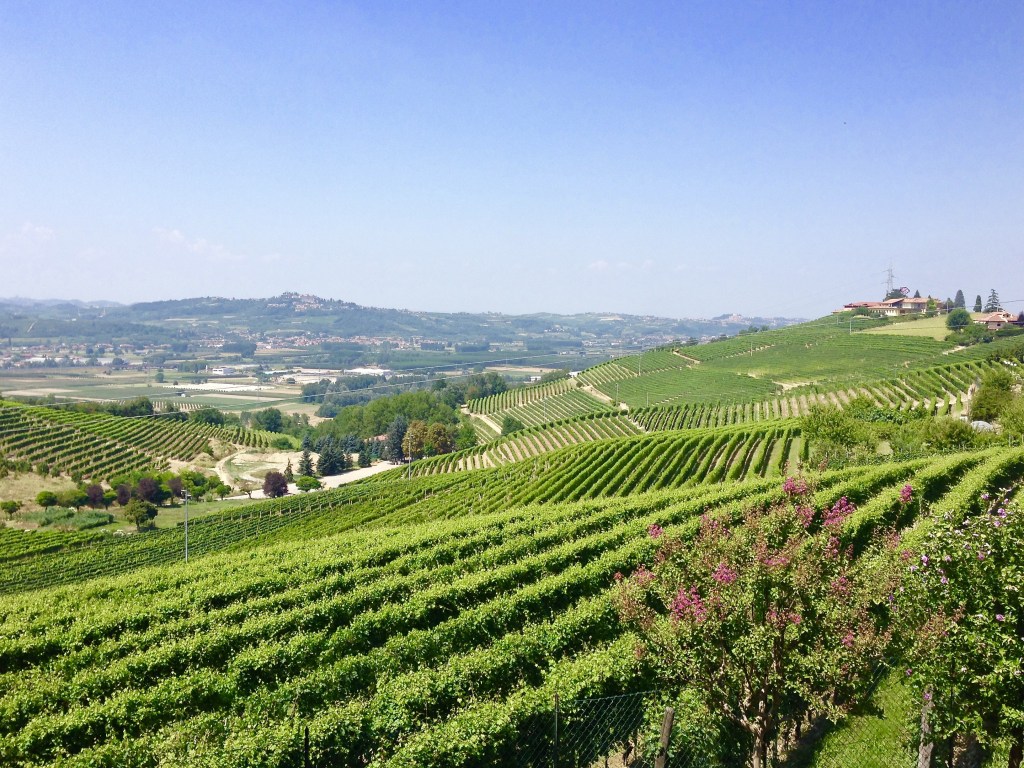
Roagna Igino, Nebbiolo d’Alba, 2021
Nebbiolo d’Alba or Langhe Nebbiolo is akin to the Burgundian equivalent of Bourgogne Rouge; it can be a quaffable albeit forgettable example of a world-class grape or it can soar above expectation and deliver an enchanting expression at a shockingly affordable price point. This is one of the latter. Hand-crafted by a small family within the Alba appellation, Roagna Igino’s small-batch wine is brought to our shores by Texas importer, Dionysus, and is available only in Texas. With the bright, juicy red fruit, serious tannin and vivid acidity we all crave from a fine Nebbiolo, this bespoke Italian gem truly over delivers for the price point as well as its humble designation. Wherever you are, seek out Nebbiolo d’Alba or Langhe Nebbiolo for a budget-friendly expression of this tantalizing varietal!
Silvio Giamello, Barbaresco ‘Vicenziana’ 2020
Aptly touted as the Queen of Italian wine, Barbaresco delivers the perfume, femininity and grace that rivals great Burgundy yet it matches Barolo’s power with regal elegance. Crafted traditionally by the fourth-generation Giamello family from 40+-year-old vines, this small-production, single cru wine is an ideal snapshot of what I crave in a great Barbaresco. Derived from the ancient Roman ‘Vicenziana’ vineyard, the fruit is farmed with organic practices; the wine is fermented with indigenous yeasts and aged in traditional Slavonian oak botti. The result is the ideal synergy of structural components and a benchmark expression of world-class Barbaresco. This particular bottling hails from the warmer 2020 vintage; so if you prefer a riper vintage, this wine is for you. The aromatic nose enchants with floral perfume, fresh tomato leaf, black tea, mushroom and opulent red fruit while the silken texture dances across the palate with poise, the limestone-rich marl minerality elevates the dance and the fine Nebbiolo tannins gently hug the sides of the tongue.

Principiano Ferdinando, Barolo di Serralunga, 2019
The King to Barbaresco’s Queen, the regal expression of Barolo is more masculine in expression and undergoes an additional year of aging from Barbaresco. The commune of Serralunga d’Alba, as in this wonderful example, reveals a more powerful and structured voice of Barolo that is built to stand the test of time. If you have ever hankered to tuck a hoard of Barolo away in your cellar for a decade, this is the vintage and commune to do it from. Principiano Ferdinando has flown under the radar for many years, but has become a hot ticket in Barolo thanks to the dedicated biodiversity across their vineyards. This has resulted in wines that are just teeming with life, verve and energy. In fact, the University of Turin is actually studying the biodiversity of not only their vineyards, but their remarkable soils. With organic farming, ambient yeast fermentation and traditional aging in Slavonian oak botti, Ferdinando’s Serralunga bottling is one of the most elegant and regal Barolos you will find under $60!
Guido Porro, Barolo ‘Vigna Santa Caterina,’ 2019
Although the Italians have never gotten around to classifying their vineyards in the meticulous and official system of the French, Piedmont has become known as the Burgundy of Italy for the appropriate emphasis placed on its serious vineyards. Guido Porro’s ‘Santa Caterina’ has become synonymous with one of the alpine region’s important vineyards. Also from the long-lived commune of Serralunga d’Alba, Caterina’s limestone-marl soils, higher elevation and western exposure reveal a Barolo that is simultaneously powerful and structured yet finessed with perfume, a rare and extraordinary combination. Fermented with indigenous yeasts, aged in Slavonian oak botti and bottled without filtration, this succulent Barolo explodes from the glass with aromas of black cherry, raspberry, rose petals, tomato leaf and black tea overlaid with persistent minerality as well as superb tannins and structure. Although this bottle is approachable today, it will prove to be a true gem in your cellar if patience is your particular virtue.
Ricossa Moscato d’Asti
Ricossa’s Moscato d’Asti is a delightfully quaffable, sweet frizzante wine from Piedmont that is crafted from the Moscato grape. It is a perfect pairing accompaniment to dessert and cheese that is charmingly effortless to drink. With honeysuckle and orange blossom perfume over an array of pear, lemon, clementine, stonefruit and ginger, it’s simply enchanting with panna cotta.
Nota Bene:
Over the past year I have partnered with Bernard Tronche of Saint-Emilion Restaurant in Fort Worth. The romantic, French institution has been in business since 1985 and continues to be a touchstone in our community. Bernard and I have come to realize that so few boutique, family producers from around the world make it to our local stores that we felt obliged to open our own shop, A&B Wine. Each month we curate a tasting dinner that shines a light on a different region and offer these wines for retail sale. We’d love for you to join us for a wine dinner or to peruse our online shop at https://aandbwine.square.site/s/shop. If you would like to be included in our email list for future events, please drop us a line at aandbwineclub@gmail.com.
À Bientôt!
Ambyr et Bernard
*The photography of Piedmont in this post were shot by my dear friend, Jasmine Birk-Bhogal. Jasmine and her husband, Charan, lived in the ancient, walled city of Ferrara for a few years on a NATO exchange and became the ultimate Italian oenophiles with a cellar to back it up. There are no two people on the planet that we love to share our love of Vino Italian with more with the Bhogals. We miss you guys in the lower 48!



 A Magnolia's Culinary Chronicles