Skip to content
  • Home
  • About
  • Facebook
  • LinkedIn
  • Twitter
  • Instagram
  • Food
  • Libations & Wine
  • Uncategorized
  • Travel
  • Facebook
  • LinkedIn
  • Twitter
  • Instagram

A Magnolia's Culinary Chronicles

Not all those who wander are lost – J.R.R. Tolkien

  • Home
  • About
  • Uncategorized

Raise a Glass of Grower Champagne this Holiday Season

amagnoliasculinarychronicles's avatar amagnoliasculinarychronicles November 25, 2024

Champagne pairs with the holiday season like Frank Sinatra and mistletoe. It’s timeless, compliments a variety of dishes and delivers the effervescent joy we all crave during the season. Although the Grand Maisons like Veuve Clicquot and Perrier-Jouet are familiar on the holiday shelves, I look to Grower Champagnes for the immense quality and their incredible price point for the majesty found in the bottle. So, what are Grower Champagnes exactly?

Grower Champagnes make up only 5% of the Champagne that reaches our shores and are labeled RM on the bottle for Recoltant Manipulant. To have this teensy acronym on the label, the wine must be owned, farmed and produced by the same estate. A Grand Maison sources its grapes from a hundred to even a thousand different farmers. So, what is the benefit of that in the glass? Well, a Grower Champagne is almost always a focused snapshot of a single Champagne appellation and sometimes even a single vineyard, which reveals a focused sense of place or terroir in the glass. Another practice among most Grower Champagnes is their dedication to extended lees aging, which reveals that magical, rising brioche aroma that we all crave from great Champagne. The appellation requirement for a non-vintage Champagne is 15 months. The Grower Champagnes we have on offer at A&B Wine spend a minimum of three years on lees; that’s 21 months or more than double the requirement in Champagne. Lees are the spent yeast that is left over after fermentation; what this equates to in the bottle is a textural richness and beautiful yeasty quality that’s rarely seen outside of expensive vintage, tête du cube bottles from Grand Maisons. It also means that these producers invested almost two additional years of aging these wines in cellar before releasing them to the market. What an investment of time and money!

I like to say that Grower Champagnes are the wine equivalent of a farm-to-table experience. They are also akin to auteur filmmakers where every choice is deeply pondered by the creator. If you have never experienced a Grower Champagne, here are some of our favorite family producers that we currently have on offer.

Domaine Petit & Bajan, ‘Ambrosie,’ Grand Cru, Brut NV                                                                67.75

When Richard Petit and Véronique Bajan married, a legendary Grower Champagne was born.  Each from a long line of vignerons, Petit’s Grand Cru parcels in Côte de Blancs (Avize, Oger and Cramant) and Bajan’s Grand Cru vineyards in Montagne de Reims’ Verzanay, made it possible for the couple to craft a lineup that landed on Wine & Spirit’s Top 100 of 2022.  Wines are aged sur lie for three years, 21 months longer than appellation requirement, then receive 3 grams of dosage.  Ambrosie, French for nectar of the gods, is an apt name for this Grand Cru bottling of effervescent joy.  Aromas of red berries, fresh white flowers and herbs unfold with a nuanced golden toast, laced with bright citrus and chalk on the palate for a silky yet concentrated Champagne that is simply dazzling. 

Pierre Paillard, ‘Les Parcelles,’ Grand Cru, Bouzy, Extra Brut, NV                                            73.75

Montagne de Reims’ Grand Cru village of Bouzy’s greatest grower producer is, without a doubt, Pierre Paillard.  One of the original Grower Champagnes, they were established in Bouzy in 1768. Four generations have crafted Champagne solely from the family estate.  Today, brothers Antoine and Quentin are at the helm and continued to push the envelope for quality.  With organic farming of the chalk-laden, southern exposed soils, their lush fruit is fermented by parcel in oak with native yeast and natural malolactic.  Les Parcelles is aged sur lie in their 18th century cellars for four years, 33 months longer than appellation requirements! A blend of 70% Pinot Noir and 30% Chardonnay, the blend is predominantly derived from the 2017 vintage.  Dosage is 1.8 grams, which is an ideal balance for the plush fruit and large incorporation of the mature vintage.  With perfumed notes of cherry blossom, vibrant red berries, sensual peach, honeycomb, pink peppercorn and brioche laced with limestone minerality and immense freshness, this dazzling wine is a beauty now, but will reveal even greater complexity over the next 15 years!

Michel Turgy, Blanc de Blanc, Reserve Selection, Mesnil-sur-Oger, Brut, NV                       70.75

The Grand Cru village of Mesnil-sur-Oger rests at the apex of blanc de blanc Champagne where sumptuous, sensual wines of richness are matched with bright acidity and terroir-driven minerality – sheer nirvana in the glass.  Jean-Michel Turgy’s wine is a faithful snapshot of the magic Mesnil is capable of.  This “reserve selection” delivers 30% more reserve wines in the blend, which results in mature notes of hazelnut, acacia and umami complexity rarely found in a non-vintage wine.  The Turgy family has nurtured the estate in Mesnil for over 130 years through lutte raisonée farming practices.  Pristine fruit from 20-60 year-old vines are hand-harvested, fermented with indigenous yeast, given 3 grams dosage then are carefully hand disgorged prior to release.  Vibrant aromas of lemon curd, honeysuckle and gardenia are woven into flavors of rising brioche, fresh lemon zest, green apple and hazelnut for a finish that spins creamy texture around a whirlwind of chalk minerality and tantalizing freshness. 

Robert Moncuit, “Millesime” Blanc de Blancs, Mesnil-sur-Oger, Brut, 2015                         119.75

One of the original celebrated Grower Champagnes, Robert Moncuit more than lives up to a lofty reputation.  Millesime 2015 hails from a blockbuster vintage and the incomparable Grand Cru village of Le Mesnil-sur-Oger.  The family estate dates to 1889 and they began producing in 1928.  Derived from some of the family’s oldest parcels, the fruit is organically farmed then fermented with indigenous yeast in a combination of barrel and tank where it goes through malolactic naturally.  The wine is never fined or chaptalized and only receives 2.5 grams of dosage.  Wine is aged sur lie for 4 years, a full year longer than AOC requirements for a vintage champagne.  Aromas of honeysuckle, acacia, hazelnut and lemon curd evolve on the palate to reveal flavors of lemon zest, green apple, fresh croissant and a hint of cream over defined limestone minerality and racy freshness.

Jean Vesselle, “Oeil de Pedrix,” Rosé, Brut, NV                                                                            64.75

The family of Domaine Jean Vesselle has been nurturing their vines in Montagne de Reims for 300 years.  Husband-and-wife team, Delphine and David Vesselle have crafted this saignée rose to honor those forbearers.  The original style of rosé in Champagne’s early history, it’s a rare treat to experience one on our shores.  With ample concentration, a kiss of tannin and enchanting complexity, this Champagne can delight as an aperitif or go pound-to-pound with rich red meat, depending on your mood.  With lutte raisonée and sustainable farming practices, the hand-harvested fruit is macerated for just under 24 hours then gently pressed.  The wine is fermented with indigenous yeast then aged sur lie for two years and receives 5 grams of dosage.  Perfumed aromas of red roses, orange zest and red berries give way on the generous palate to include cherry, raspberry, stonefruit, white pepper, fresh herbs and a riveting grip of chalk minerality laced with exotic spice.  

Egly-Ouriet, Grand Cru, Montagne de Reims, Brut, NV                                                                159.75

Egly-Ouriet reached cult status long ago and allocations have been meager ever since.  Francis Egly was something of a trailblazer when he took the reins in the early 80’s.  He farmed organically and severely pruned and controlled yields to push for the ripest, most pristine fruit possible in the northern locale of Champagne.  He aged his wines on their lees far longer than appellation requirements called for, capturing significant weight and complexity as a result.  The great Grower Champagnes have since followed suit, but he was the first and he’s continued to perfect his craft since.  Every bottling of Egly-Ouriet makes the ordinary an occasion.  His wines are at the pinnacle of Pinot-based Champagne – textural joy, pure, focused, they reveal everything you could hope for in effervescent nectar.  This particular wine hails from the Grand Cru villages of Ambonnay, Bouzy and Verzenay where organically farmed fruit is fermented with indigenous yeast then allowed to age on their lees for three years, 21 months longer than non-vintage appellation requirements.  The wine receives low dosage and never undergoes fining or filtration, which reveals a pure snapshot of terroir and varietal complexity.  The fragrance of incense, blood orange, brioche, exotic spice and rose petal give way on the palate to red cherry, raspberry, blood orange zest, underlying chalk minerality and a kiss of nuttiness elevated by bright acidity.  Each sip reveals another layer of complexity.  This is a wine of regal power yet subtle elegance!  

Champagne Nicolas Maillart, ‘Platine,’ Extra Brut, Montagne de Reims, NV                           67.75

An enchanting blend of 67% Pinot Noir, 26% Chardonnay and 7% Pinot Meunier, Chez Maillart’s ‘Platine’ is predominantly fermented in barrel then aged sur lie for four years, where the appellation requirement is a mere 15 months.  The wine receives only 3.5 dosage, making it an extra brut, yet the richness imparted in winemaking makes this Champagne feel infinitely more generous.  Blessed with staggering depth and complexity, thanks to extended lees aging and usage of older vintages that date to 2016 in the blend, the concentration of fruit and richness of lees walk the tight rope of perfect balance with riveting limestone minerality and laserbeam freshness in the glass.  

  • Uncategorized

The Enchanting Wines of Italy’s Piedmont

amagnoliasculinarychronicles's avatar amagnoliasculinarychronicles March 1, 2024
The Enchanting Wines of Italy’s Piedmont
  • Libations & Wine
  • Travel

The Enchanting Wines of Italy’s Piedmont

amagnoliasculinarychronicles's avatar amagnoliasculinarychronicles March 1, 2024

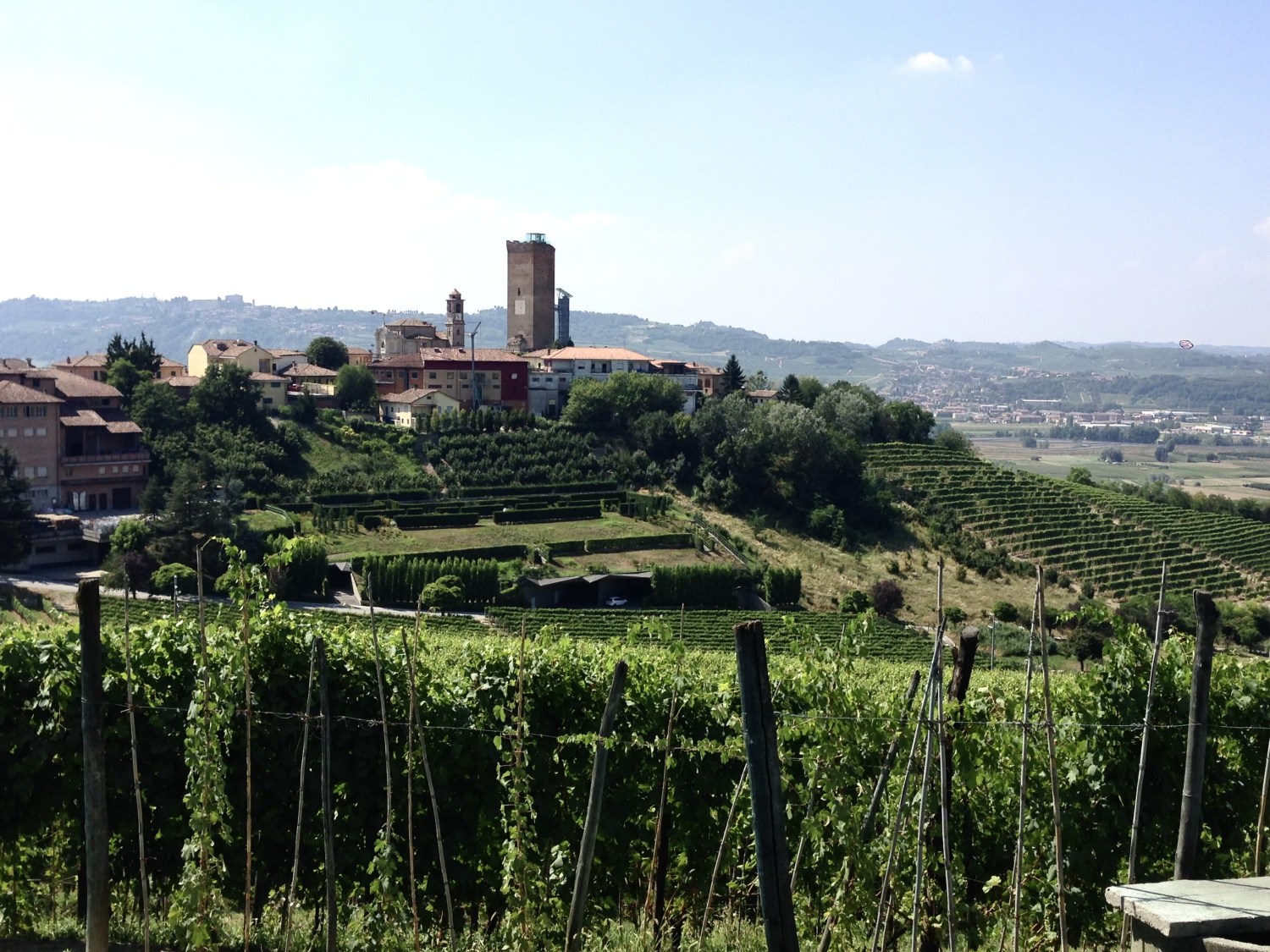
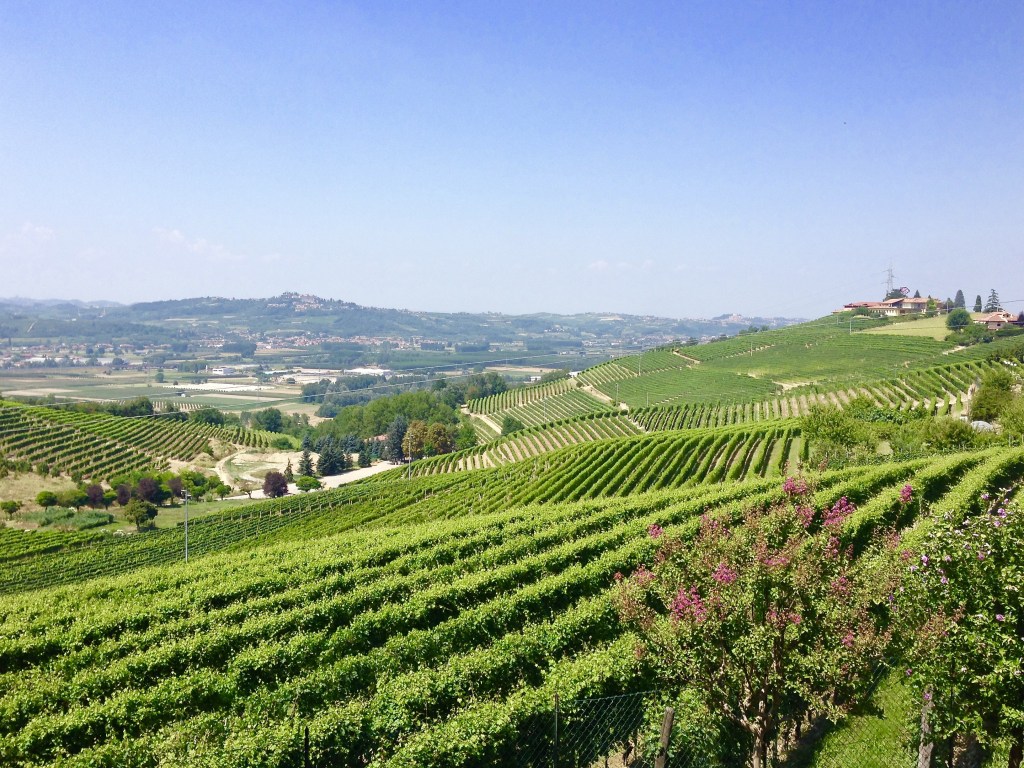
Bright, taut fruit, alpine verve and complexity, limestone and marl minerality and tantalizing acidity coalesce to rear sheer, liquid nirvana; these allusive elements are everything I hanker for in the glass.  Few wine regions around the world possess them all; Italy’s Piedmont is one such exception.  My hands down, favorite wine region of Italy, is the alpine pocket in the northern reaches of the country.  Home to Barbaresco and Barolo, this is Nebbiolo country, but the region, like the rest of Italy, boasts myriad ancient grape varieties that are as alluring as they are unique.  

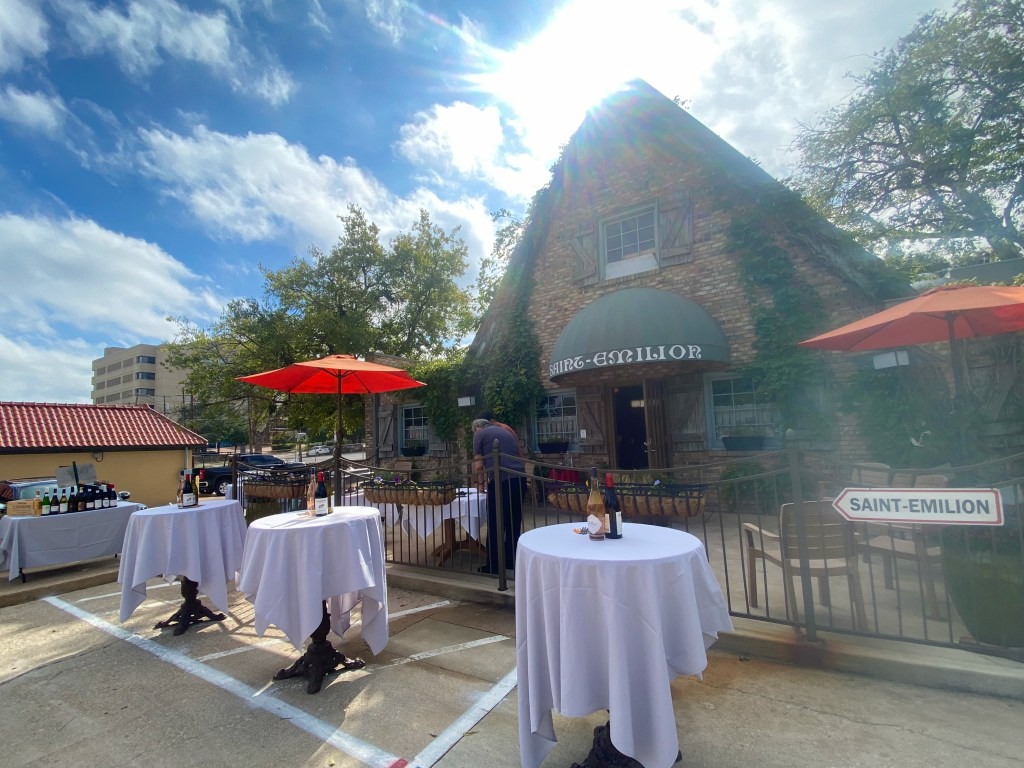
Unlike France, which has classified its grapes, appellations and vineyards with unparalleled organization, Italy has never quite gotten around to streamlining its virtually countless indigenous varietals much less the prize vineyards in some of the country’s most prestigious DOCGs and DOCs (or classified appellations).  There are arguably 590 different grape varieties and immeasurable synonyms for each.  Nebbiolo alone has garnered roughly 100 different synonyms over its documented history that spans back to the 11th century.  With such a dizzying array of information, it’s seemingly impossible for a newcomer to Italian wine to know where to start.  Nevertheless, I’ve decided to shine a small light on my favorite Italian region from my recent Piedmont tasting dinner at Saint-Emilion Restaurant in Fort Worth, Texas.  We kicked things off with a palate-opening Rosato at the reception then worked our way through two of my favorite Piedmontese white wines, navigated a few indigenous red wines then closed with the magic of Nebbiolo.  

Tintero Vino Rosato NV

Vino Rosato, Italy’s rendition of rosé crafted with local varietals wherever it’s made, is made in Piedmont with the local workhorse grape, Barbera as well as a minor blend of other native grapes.  This particular example, brought in by one of my all-time favorite importers, Kermit Lynch, is crafted with Barbera and blended with indigenous Arneis and Moscato.  Produced by Cantine Tintero, the family firm evolved out of a love match when a Frenchman fell in love with a widowed vignaiola (winegrower) back in 1900.  Their entire lineup offers ridiculous price-to-quality and this rosato is among my go-tos for daily drinking wines.  This palate-opening charmer is a perfect marriage of Piedmontese varietals that will refresh in the sunshine or delight with just about anything served on a plate. 

Cantine Povero, Roero Arneis, 2022

The ultimate Italian comeback kid, Arneis, which translates to “little rascal,” is an ancient white variety that’s a Piedmontese native.  Before modern climate-controlled fermentation, the grape had a notorious tendency to oxidize and Arneis was in danger of extinction as vignerons replanted vineyards to Nebbiolo with the popular rise of Barolo and Barbaresco in the sixties.  Thankfully, a handful of producers recognized Arneis’s allure and its vast potential with temperature-controlled fermentation.  Today, while it remains one of the world’s more rare white grapes, it is celebrated as an enchanting white wine of Piedmont’s Roero appellation, which lies just north of Barolo.  With perfumed notes of pear, apple and subtle stonefruits, laced with almond, nutmeg and white blossoms, Arneis has a textured mouthfeel that is a beautiful paring partner with food, but is equally lovely all on its own. 

Francesco Rinaldi, Gavi Cortese, 2022

Like Arneis, Cortese is an indigenous white grape that hails from Piedmont’s Gavi appellation.  It boasts divine perfume, bracing acidity and intoxicating minerality, but is light, lithe and refreshing on the palate.  This particular wine is crafted an important traditional producer, Francesco Rinaldi, that was founded in 1870 and continues to be helmed by the ninety-year-old Luciano Rinaldi and his nieces, Paola and Piera.  This stunning white wine offers an astonishing price-to-quality from the celebrated family firm. With perfumed floral aromatics over bright pear, citrus zest, fresh chervil and nuanced minerality, this Cortese di Gavi is everything I crave in a springtime white wine with perfume, quaffable delight and a poised balance to charm you senseless. 

Francesco Rinaldi, Grignolino d’Asti

Grignolino is a lesser-known native red grape of Piedmont that dates to at least the 12th century.  It is bright, packed with fresh red fruit, spice and savory complexity.  Light-bodied and ridiculously refreshing, I love it with a good tartare or salumi.  Think of this wine in terms of a Beaujolais nouveau at its best.   

Il Palazzotto, Dolcetto di Diano d’Alba ‘Sori Cristina’ 2021

With an abundance of brambly berries, violets, savory nuance and spice as well as soft, approachable tannin, Dolcetto is a true crowd-pleaser at its modest price point.  The early ripening grape is often relegated to the status of little cousin to Piedmont’s regal Nebbiolo, but Paolo Olivera of il Palazzotto has staked his claim on Dolcetto and made it his specialty.  Crafting single-vineyard wines with indigenous yeast only, Olivera’s Dolcettos offer a deep-focus expression of terroir and varietal purity without the use of fining or filtration.  In short, his wines are the pinnacle of the Dolcetto varietal and the ‘Sori Cristana’ from Diano d’Alba, within the Barolo appellation, is my favorite of his formidable lineup.  Derived from a limestone and marl-laden hilltop, the Dolcetto delivers aromatic violets, supple purple fruit and a soft mouthfeel with elegant structure and balance.  Serve slightly chilled with ragu and mascarpone polenta for an unforgettable evening.

Silvio Giamello, Barbera d’Alba, ‘Gens Hoelia’ 2020

Barbera is an indigenous Piedmontese varietal that has been around since at least the 7th century.  It’s inky dark-staining juice belies the bright, lighter-bodied experience on the palate for a surprisingly refreshing journey.  Giamello’s rendition from ‘Gens Hoelia’ boasts 40-year-old vines and an abundance of concentration in the glass.  Brimming over with deep plum, dark cherry, juicy blackberry and an array of violet, lavender and anise savory notes, this brooding wine is as enchanting with pizza as it is with a hearty serving of stew.  

Nebbiolo (Red)

If I could choose only one red wine to drink for the rest of my life, it would be a terribly epic battle between a great Pinot Noir from Burgundy and a Piedmontese Nebbiolo.  Both offer succulent red fruit, serious minerality, awe-inspiring savory and uamai complexity as well as lip-smacking acidity.  Where Nebbiolo differs is in its unexpected tannin for the lithe fruit found in the glass as well as the unique evolution of fruit after aging and bottling.  One way to nail a Nebbiolo in a blind tasting is the color.  It possesses the ruby red core of Burgundy, but has brick-orange variation at the rim.  The bright red fruit evolves in flavor over time and gives way to notes of forest floor, black tea, tomato leaf, mushroom, enchanting tar and roses that is simply inimitable.  The palate is sensual, perfumed and savory yet the tannic grip is invigorating alongside its elegant grace and finesse.

Now my favorite topic on Nebbiolo: the battle royale between traditionalists and modernists.  I admit bias to the grand dispute as I deeply favor the traditionalists in style.  The modernists craft their wine for the big Robert Parker-esque palates with riper fruit that is picked significantly later; the wine is aged in 225-liter French oak barriques (as in Bordeaux) and is often fermented with reliable albeit synthetic yeast.  The wine is often opulent, highly polished, higher in alcohol and tastes more of new oak, which masks the unique character of Nebbiolo and the sense of place beneath.  It tastes more like a Bordeaux and if you prefer Bordeaux, just buy one.  I did acknowledge a bias, right?  The traditionalists ferment their wine with indigenous yeasts, either from the ambient bloom on the grapes themselves or from a yeast derived and cultivated from that bloom; the result is a truly transparent expression of Nebbiolo.  Traditionalist winemakers then age their wine in massive Slovanian oak botti; these barrels are 20-30 hectoliters, that is 2,000 – 3,000 liters compared to the 225-liters used by traditionalists.  These wines are often bottled without fining or filtration.  The result is a wine brimming over with all the varietal nuances of Nebbiolo and a clear snapshot of terroir – that magical sense of place that makes us fork out cash for that Barolo or Barbaresco designation – it’s the soil, the aspect and even the biodiversity running through the vineyards.  Naturally, all of the wines I have curated for this tasting are crafted by traditionalist producers, but there is one positive consequence of all this.  The modernist movement brought some long overdue technical innovations into more common practice.  Winemakers finally ferment their wines in climate-controlled conditions so that the native yeasts would finish fermentation without oxidation or combating volatile acidity that smacks of nail varnish.  In the end, the Nebbiolo wars have brought some positive changes to the age-old art of the Piedmontese winemaker.  So, without further adieu, I give you Nebbiolo, the royalty of Italian red grapes. 

Photo courtesy of Jasmine Birk-Bhogal

Roagna Igino, Nebbiolo d’Alba, 2021

Nebbiolo d’Alba or Langhe Nebbiolo is akin to the Burgundian equivalent of Bourgogne Rouge; it can be a quaffable albeit forgettable example of a world-class grape or it can soar above expectation and deliver an enchanting expression at a shockingly affordable price point.  This is one of the latter.  Hand-crafted by a small family within the Alba appellation, Roagna Igino’s small-batch wine is brought to our shores by Texas importer, Dionysus, and is available only in Texas.  With the bright, juicy red fruit, serious tannin and vivid acidity we all crave from a fine Nebbiolo, this bespoke Italian gem truly over delivers for the price point as well as its humble designation.  Wherever you are, seek out Nebbiolo d’Alba or Langhe Nebbiolo for a budget-friendly expression of this tantalizing varietal!

Silvio Giamello, Barbaresco ‘Vicenziana’ 2020

Aptly touted as the Queen of Italian wine, Barbaresco delivers the perfume, femininity and grace that rivals great Burgundy yet it matches Barolo’s power with regal elegance.  Crafted traditionally by the fourth-generation Giamello family from 40+-year-old vines, this small-production, single cru wine is an ideal snapshot of what I crave in a great Barbaresco.  Derived from the ancient Roman ‘Vicenziana’ vineyard, the fruit is farmed with organic practices; the wine is fermented with indigenous yeasts and aged in traditional Slavonian oak botti.  The result is the ideal synergy of structural components and a benchmark expression of world-class Barbaresco.  This particular bottling hails from the warmer 2020 vintage; so if you prefer a riper vintage, this wine is for you.  The aromatic nose enchants with floral perfume, fresh tomato leaf, black tea, mushroom and opulent red fruit while the silken texture dances across the palate with poise, the limestone-rich marl minerality elevates the dance and the fine Nebbiolo tannins gently hug the sides of the tongue.  

Photo courtesy of Jasmine Birk-Bhogal

Principiano Ferdinando, Barolo di Serralunga, 2019

The King to Barbaresco’s Queen, the regal expression of Barolo is more masculine in expression and undergoes an additional year of aging from Barbaresco.  The commune of Serralunga d’Alba, as in this wonderful example, reveals a more powerful and structured voice of Barolo that is built to stand the test of time.  If you have ever hankered to tuck a hoard of Barolo away in your cellar for a decade, this is the vintage and commune to do it from.  Principiano Ferdinando has flown under the radar for many years, but has become a hot ticket in Barolo thanks to the dedicated biodiversity across their vineyards.  This has resulted in wines that are just teeming with life, verve and energy.  In fact, the University of Turin is actually studying the biodiversity of not only their vineyards, but their remarkable soils.  With organic farming, ambient yeast fermentation and traditional aging in Slavonian oak botti, Ferdinando’s Serralunga bottling is one of the most elegant and regal Barolos you will find under $60!

Guido Porro, Barolo ‘Vigna Santa Caterina,’ 2019

Although the Italians have never gotten around to classifying their vineyards in the meticulous and official system of the French, Piedmont has become known as the Burgundy of Italy for the appropriate emphasis placed on its serious vineyards.  Guido Porro’s ‘Santa Caterina’ has become synonymous with one of the alpine region’s important vineyards.  Also from the long-lived commune of Serralunga d’Alba, Caterina’s limestone-marl soils, higher elevation and western exposure reveal a Barolo that is simultaneously powerful and structured yet finessed with perfume, a rare and extraordinary combination.  Fermented with indigenous yeasts, aged in Slavonian oak botti and bottled without filtration, this succulent Barolo explodes from the glass with aromas of black cherry, raspberry, rose petals, tomato leaf and black tea overlaid with persistent minerality as well as superb tannins and structure.  Although this bottle is approachable today, it will prove to be a true gem in your cellar if patience is your particular virtue.

Ricossa Moscato d’Asti

Ricossa’s Moscato d’Asti is a delightfully quaffable, sweet frizzante wine from Piedmont that is crafted from the Moscato grape. It is a perfect pairing accompaniment to dessert and cheese that is charmingly effortless to drink.  With honeysuckle and orange blossom perfume over an array of pear, lemon, clementine, stonefruit and ginger, it’s simply enchanting with panna cotta.  

Nota Bene:

Over the past year I have partnered with Bernard Tronche of Saint-Emilion Restaurant in Fort Worth.  The romantic, French institution has been in business since 1985 and continues to be a touchstone in our community.  Bernard and I have come to realize that so few boutique, family producers from around the world make it to our local stores that we felt obliged to open our own shop, A&B Wine.  Each month we curate a tasting dinner that shines a light on a different region and offer these wines for retail sale.  We’d love for you to join us for a wine dinner or to peruse our online shop at https://aandbwine.square.site/s/shop.  If you would like to be included in our email list for future events, please drop us a line at aandbwineclub@gmail.com.  

À Bientôt!

Ambyr et Bernard

Saint-Emilion Restaurant in Fort Worth, Texas

*The photography of Piedmont in this post were shot by my dear friend, Jasmine Birk-Bhogal. Jasmine and her husband, Charan, lived in the ancient, walled city of Ferrara for a few years on a NATO exchange and became the ultimate Italian oenophiles with a cellar to back it up. There are no two people on the planet that we love to share our love of Vino Italian with more with the Bhogals. We miss you guys in the lower 48!

  • Food

What We Can Do…Carrot & Rutabaga Slaw from My Local Farmer

amagnoliasculinarychronicles's avatar amagnoliasculinarychronicles April 8, 2020

I know.  I know.  COVID-19 is highly contagious and we need to flatten the curve.  Got it.  Nevertheless, small businesses and their employees are sinking, or have already sunk, all over the country.  The government money will not reach most of them fast enough.  If we don’t collectively support all the special places and people that we love, we’ll end up with an America that has nothing left but massive chains and corporate box stores.  Don’t get me wrong.  I do like Target.  I order things I cannot get in my small town from Amazon.  But now is not the time for all that.  Now is the time to get take-out from your local mom and pop restaurant that’s still trying to stay open curbside, or the little boutique that does online orders and local front porch drop-off delivery when you need to purchase a baby gift.  I recently started getting all of our vegetables, fruit and meat from our local farmers who are usually at farmer’s markets.  As I’ve said before, these are the folks without big supermarket contracts, these are the guys that have struggled financially as they made the righteous yet costly choice to organic conversion and certification, and they are the people that always have a piece of fruit or a sticker when my four-year-old comes with me to the market.  So, I have pledged to do my produce shopping through them from here on out.  I’ve been writing about this adventure over on Regency RV‘s lifestyle blog, but I thought I would share the recipes with you here at amagnoliasculinarychronicles.com as well!  Let me know what you think and please share your ideas for helping your local small business owners as well!   So, without further adieu, here’s this week’s article:

DSC_9730

This week’s recipe from my local farmer’s produce box arose from a gnawing conundrum.  What the heck did I want to eat with a Rutabaga in it?  In the past, I’ve had them roasted akin to a turnip or mashed like a sad alternative to mashed potatoes.  Neither of these options blew my much-in-need-of-a-salon-appointment hair back.  I had an idea.  I peeled some of the skin and tasted it raw.  Bingo.  It was nutty, buttery and delicious.  So, I forged ahead.

Thanks to a reality check in the meat section of my local grocery store, I have started buying our meat directly from Keegan-Filion Farm who I know from Farmer’s Market.  Now our meat, veggies and fruit are all coming from small farmers in our area – ie: the people who need it the most right now.

I had a lovely set of Keegan-Filion Farm’s artisanal Andouille Sausage ready to hit the grill.  So, I out set out to make a vinegar-based slaw (a favorite) with my farmers box Rutabaga, Carrots, Green Onion and a few Brussels Sprouts.  Honestly, I enjoyed the Rutabaga more than I do the classic cabbage slaw.  So, if you’re looking for a little something quick and a bit different to go with Brats or Sausage on the grill, give this Rutabaga & Carrot Slaw a whirl this week.

DSC_9712

Ingredients:

Slaw:

  • 1 Rutabaga, spiralized or slice julienned
  • 2 Carrots, spiralized or slice julienned
  • 3 Brussels Sprouts, finely shaved
  • 2 Green Onions, greens only chopped (I saved the white section for salad the next day)
  • 1 Tb Orange Zest

Dressing:

  • 1 tsp Celery Seed
  • 1/3 cup Raw Sugar
  • ¼ cup Apple Cider Vinegar
  • Juice of ½ a Lemon
  • ½ cup of Extra Virgin Olive Oil

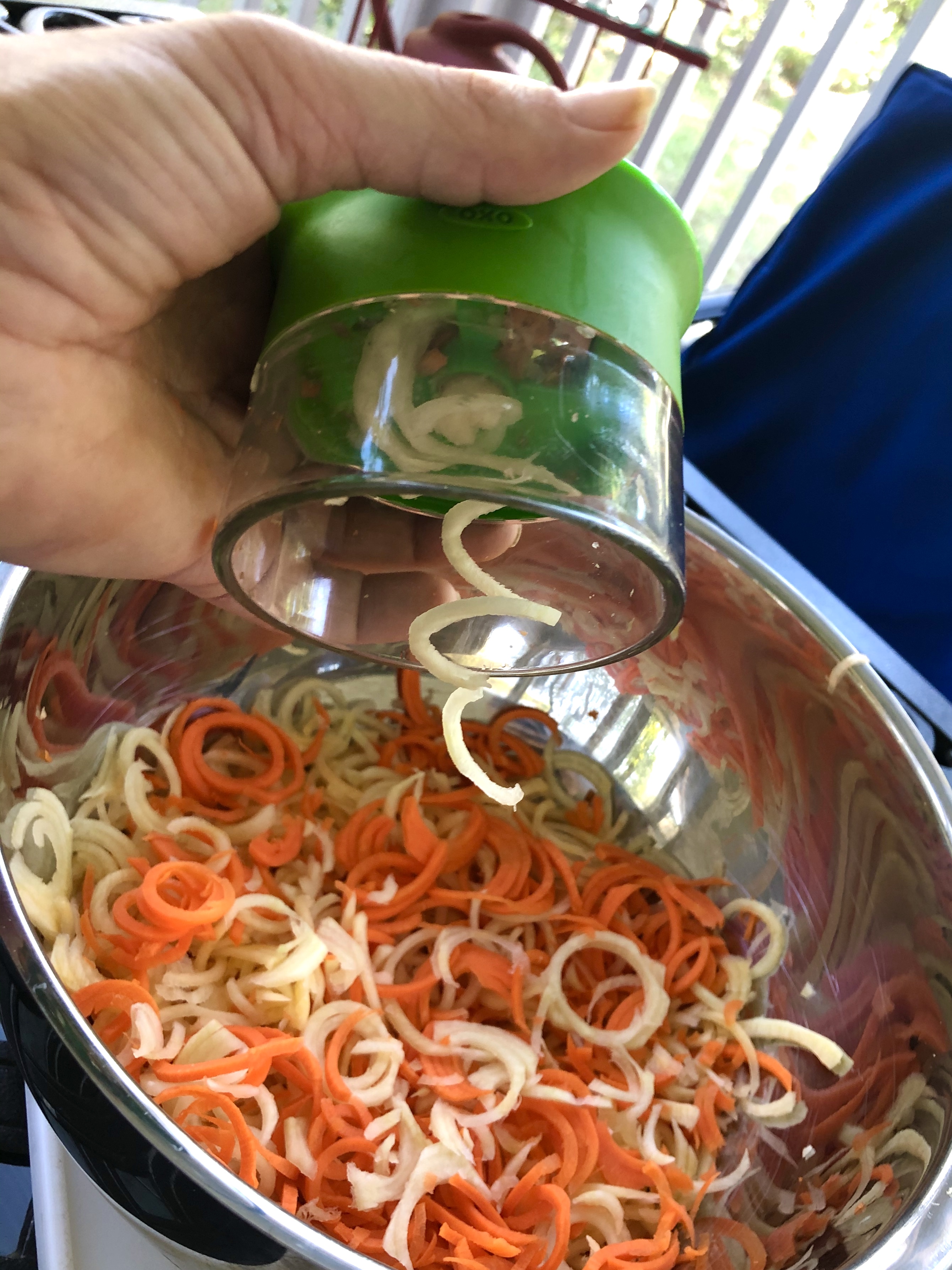
First, I chopped all the veggies and mixed them up in a large bowl.  I used a spiralizer for the Rutabaga and Carrots, but you can definitely julienne them by hand.  This option was just incredibly fast and looked pretty.  Once all your vegetables are chopped, scatter the orange zest throughout and mix it into the ingredients.

IMG_1784

Add all the dressing ingredients, celery seed, raw sugar, apple cider vinegar, lemon and olive oil, to a small sauce pan and bring to a boil while stirring.  Once the sugar is dissolved and the mixture begins to bubble a touch, it’s ready.  Pour the hot mixture over the slaw and stir.  Cover and refrigerate until you’re ready to serve dinner.

Vinegar based slaws are one of my favorite things to pop into my Regency RV when we’re headed on a trip. They keep for about four days and they brighten up just about any meal.  I’ll definitely use this one again next time we’re able to hit the road.

In the meantime, stay safe, happy cooking and bon appétit!


  • Food

Roasted Quail with a New Mexican Twist

amagnoliasculinarychronicles's avatar amagnoliasculinarychronicles October 29, 2019

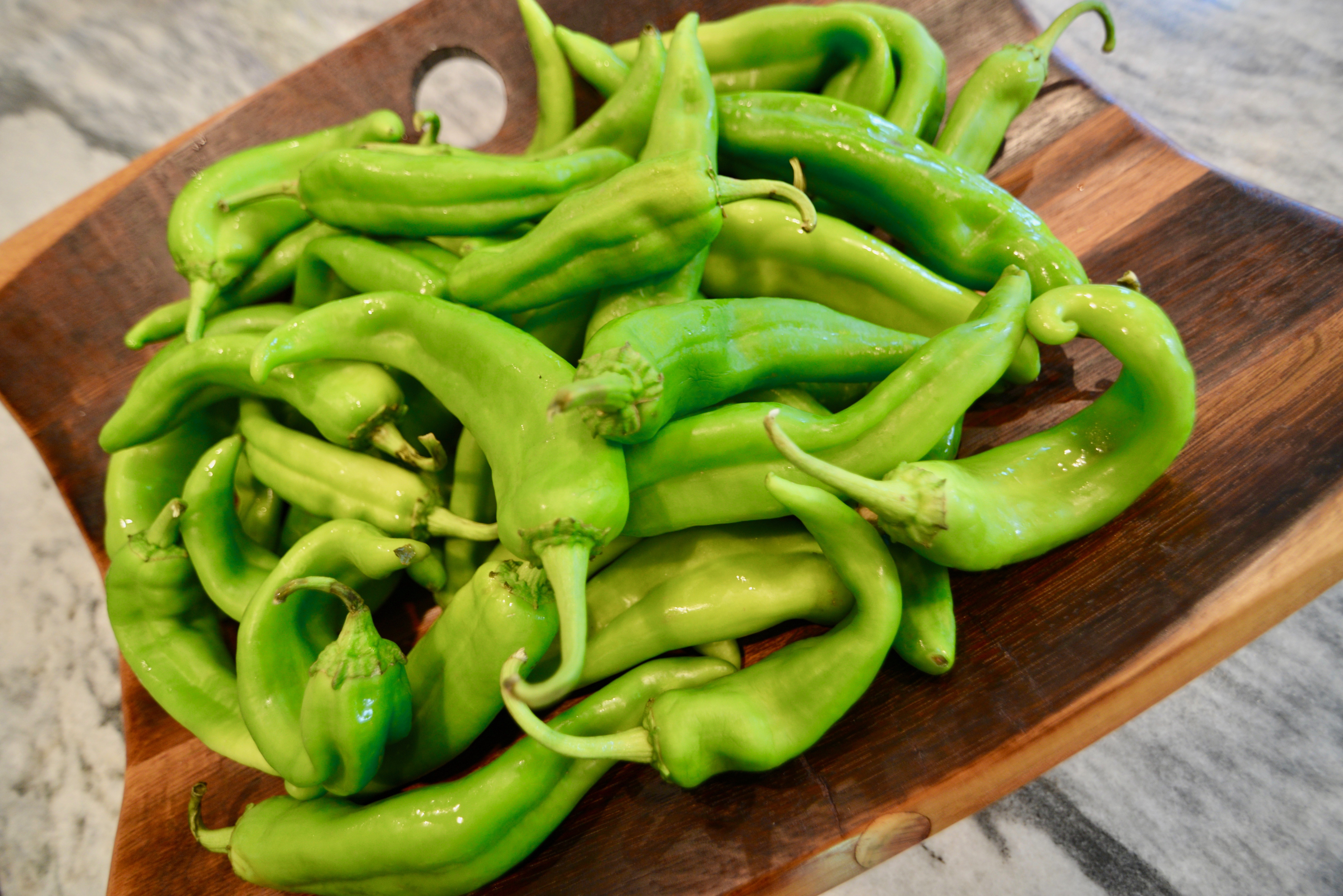
I recently posted this dish on Recipes from the Road for Regency RV, but I was so delighted with the delicious concoction that I felt compelled to share it here.  All of you regulars know by now that I harbor a deep, abiding love for all things Hatch Green Chile.  Well, it’s that time of year again and this recipe may be the most mouthwateringly divine vessel for the green pods of heaven yet!

DSC_9249

This New Mexican-inspired dish is a culinary mashup of Hatch Green Chiles and Quail.  Stuffed with chile-infused wild rice and wrapped in Roasted Hatch Green Chiles, this semi-boneless quail is an effortless centerpiece that will bring a new twist on the Land of Enchantment’s cuisine and will delight any night of the week.

If you live outside the southwest and can’t lay your hands on some in your local grocery, you can always order Hatch Green Chiles online.  Here’s a useful link from Saveur that lists a few reliable purveyors: https://www.saveur.com/best-hatch-green-chiles-order-online/

As for the quail, you can also use Cornish game hens as an excellent substitute for this recipe, but I prefer the beautiful texture and inimitable flavor of quail.  One of my fondest memories of quail was eating it stuffed with wild rice at the Dallas institution, Old Warsaw.  Although it’s no longer part of the updated menu in their new location, it continued to linger in my sense memory, which inevitably led me to conjure up this New Mexican twist on the classic dish.

So without further adieu, here goes – Roasted Quail Stuffed with Hatch Green Chile Wild Rice:

Ingredients:

For the Wild Rice:

  • 2 Tb butter
  • ¼ t marjoram
  • ¼ t sage
  • A pinch of cayenne pepper, or more according to your preference
  • 1 Tb red chile powder
  • 1 Tb cumin
  • 1 Tb onion powder
  • 1 shallot, minced
  • 2 garlic cloves, minced
  • 3 Hatch green chiles, minced
  • 1 cup of wild rice
  • 3 cups of chicken stock

For the Quail:

  • 8 semi-boneless Quail
  • 4 Hatch Green Chiles, sliced vertically in half
  • Salt and pepper, to taste
  • Olive oil

Instructions:

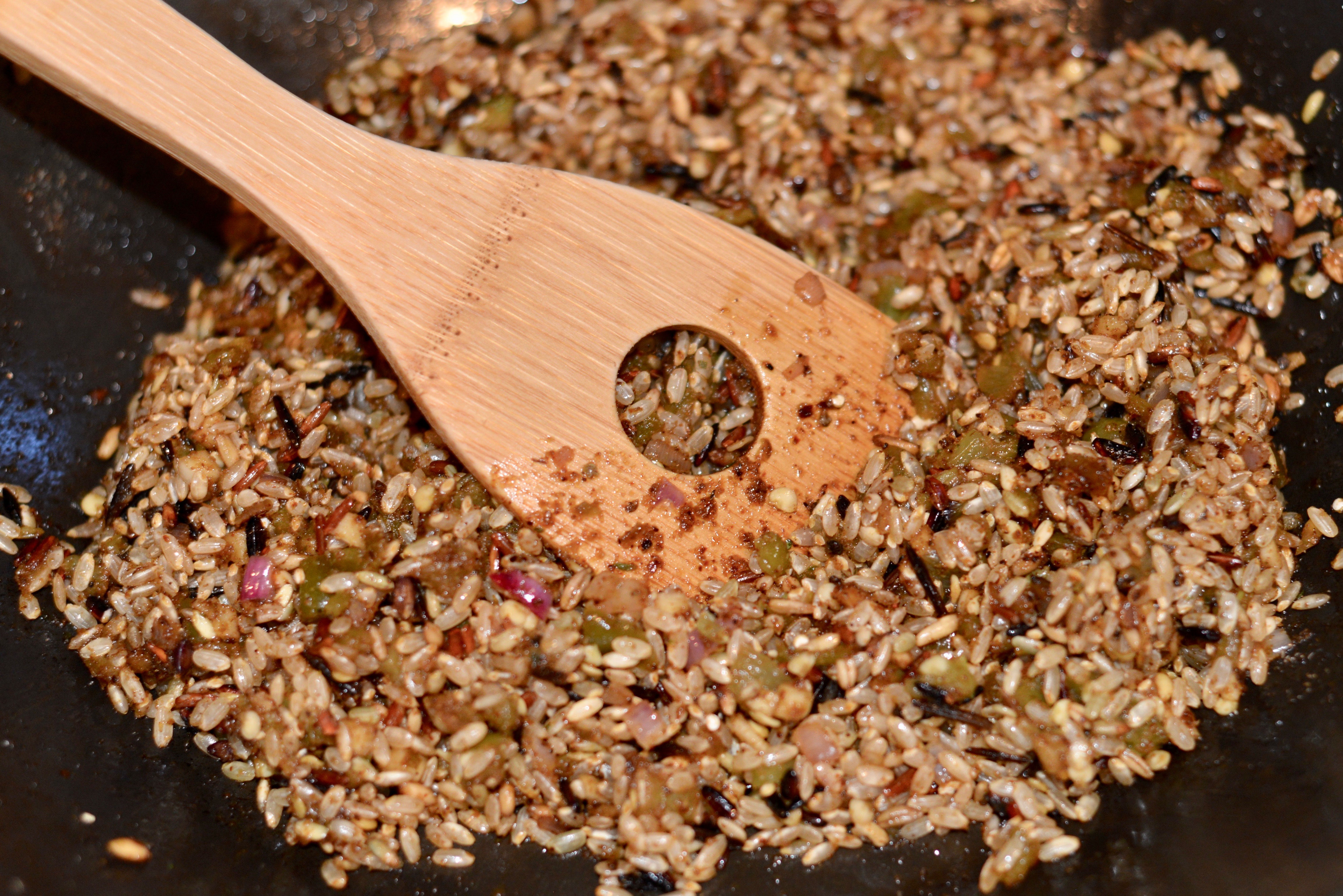
In a Dutch oven, like a le creuset or even an instant pot, heat two tablespoons of butter on low until it just starts to bubble then add the rice and stir until fully coated.  Add the mixture of spices as well as minced green chiles, shallots and garlic and continue to stir until the lighter rice turns an even, golden brown. Add the chicken stock then turn the heat up to medium.  Keep the heat up until the pot reaches a boil then turn it down to medium-low and cover.  Continue to stir the pot every few minutes to avoid any sticking on the bottom.  This should take roughly 40-45 minutes.

DSC_9665.jpg

In the meantime, dry the quail fully, massage with salt and pepper and coat with olive oil.  Preheat the oven to 375 degrees Fahrenheit.  When the rice is ready, remove from the pan and set aside.  Heat a gas or charcoal grill to medium heat then sear the quail on both sides for two minutes each.  Pull the quail off the grill, stuff with the rice, coat once more in olive oil then wrap each quail in a Hatch Green Chile slice.  Coat the bottom of a glass dish with olive and place in the preheated oven for 10 minutes.

DSC_9682

Arrange the stuffed quail on a plate and serve as a stand alone or alongside sautéed okra with a spice mix from the recipe.  As a pairing partner, a bottle of Cabernet Franc from Chinon in France’s Loire Valley is an unrivaled winner.

As always, bon appétit, y’all!

  • Food

Beat the Heat with this Classic Ceviche

amagnoliasculinarychronicles's avatar amagnoliasculinarychronicles May 28, 2019

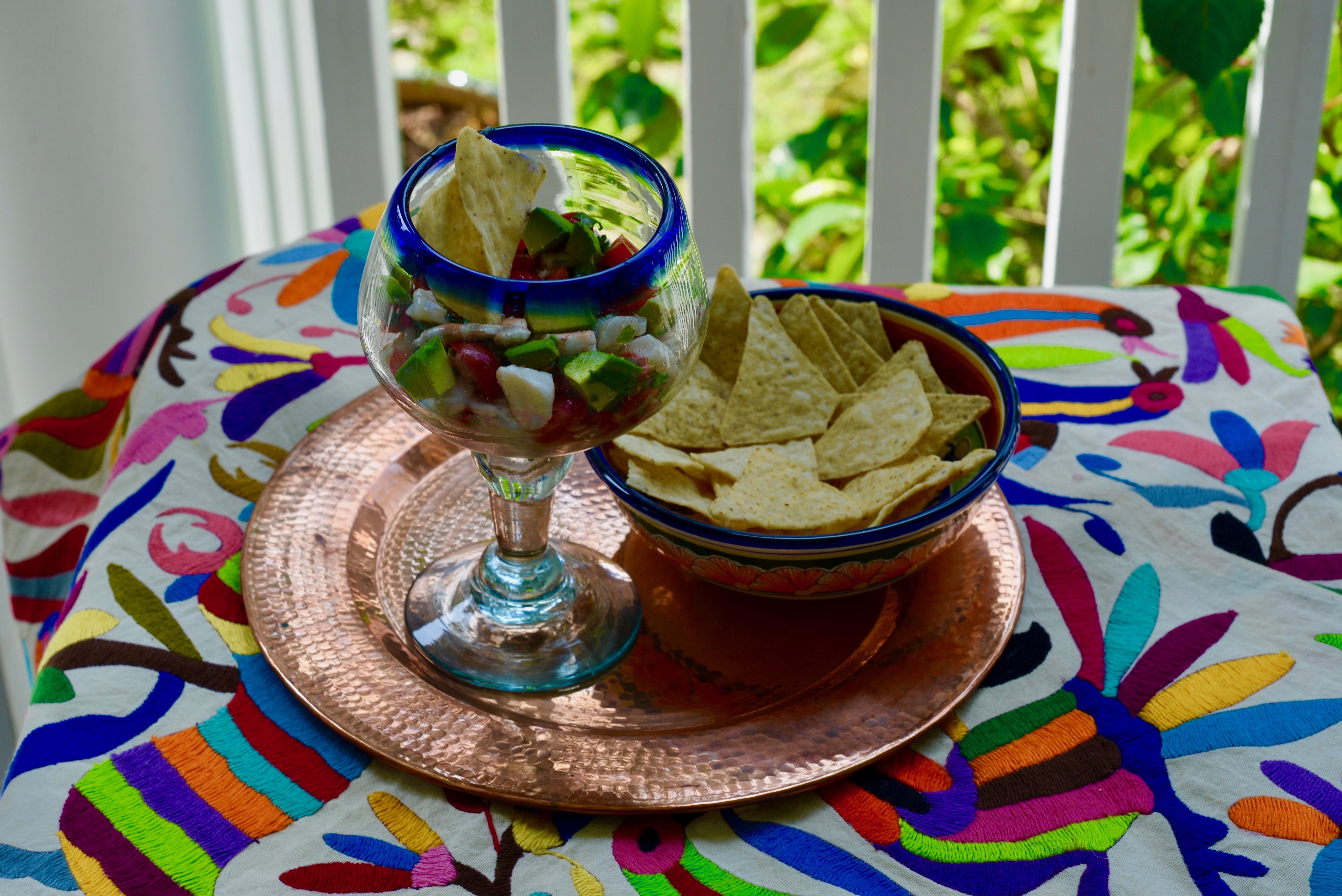
It just so happened that the Lowcountry’s first sweltering heat wave of the year coincided with my resolute mission to paint our screened-in porch. The color was perfect – the original Charleston White. I was on the homestretch when I ran out of paint. So, on my way to tennis that evening, I swung by Sherwin Williams and asked for a gallon of the formula I had taken a photo of with my phone; I still had the rest of the house’s trim and the front porch to do. The sweet guy behind the register gently informed me that the small can I had been using was merely a sample and was not exterior paint. It definitely did not have the brass to handle hurricane season or the humidity-causing-mildew in South Carolina. I was crestfallen. I didn’t weep, but I wanted to. Talk about a shower of utter, humidity-infused humiliation. Thankfully, I was on my way to tennis. I don’t know if I have ever hit the ball that hard. It was cathartic, to say the least. So, yesterday, I started painting over everything I had already painted. It was 102 degrees outside with a humidity level that stirred the hot air into a gardenia-scented soup. Thank the Lord for gardenias! Needless to say, I am parched, hot and in desperate need of a cool down. My plan – classic Mexican ceviche – the kind you scarf down at a beachside shack with a thatched roof in Mexico and a bottle of Dos Equis lager with extra salt and lime in hand! Nothing quite revitalizes you and takes the edge off the heat like fresh, cold ceviche.

This morning, I went to my local seafood monger, Beaufort’s incomparable Sea Eagle Market, for some local shrimp and scallops. As luck would have it, these beauties had just come off their boat this very morning. So, I will not be blanching my scallops and shrimp beforehand; I’ll merely let them marinate in the lime juice for two hours instead. If the absolute freshness of your shrimp and scallops is in question, just blanch them in boiling water for 2 minutes prior to popping them into the lime marinade in the recipe.

This particular ceviche recipe harkens back to carefree days on the beach in Mexico, a sense memory that will live inside me always. This inimitable combination of sea-kissed salinity, spice, bright lime acidity and tomatoes bursting with juiciness is invigorating enough to stand up to the heat and refresh your soul. It’s simple, straightforward, spicy and delicious. My biggest recommendation – buy the freshest shrimp and scallops you can find. If they’ve been frozen, their texture will not achieve the sheer nirvana that this dish is capable of, and they will definitely require blanching ahead of time.

Ingredients:

  • 1 lb. of fresh shrimp, diced
  • ½ lb. of fresh scallops, diced
  • 1 cup of lime juice
  • ¾ lb. of fresh tomatoes
  • 1 shallot, minced
  • 2 baby bell peppers (or Anaheim pepper, if you can find them), diced
  • 2 jalapeno pepper, minced
  • ½ cup fresh cilantro, destemmed and chopped
  • 4 Tb extra virgin olive oil
  • 1 avocado, save for later then dice before serving
  • Salt and pepper to taste

In a mixing bowl, combine the raw shrimp, scallops and lime juice, unless you’re blanching ahead. Salt and pepper to taste. Place the mixture in the refrigerator for 2 hours. The acid in the limes will “cook” the shellfish.

DSC_9512
DSC_9513

Combine tomatoes, shallot, peppers, cilantro and olive oil in a separate bowl. Salt and pepper to taste then set aside.

When the shrimp and scallops are ready, pour the mixture in with the tomatoes, peppers and shallots. Stir well. Dice and add the avocados at the very end to retain their color. Serve with tortilla chips or tostadas.

For pairing partners, Dos Equis Lager with salt and lime or Margaritas are always an excellent bet. If you’re in the mood for wine though, I would recommend a Muscadet from France’s Loire Valley. Nothing pairs with shellfish quite like this underrated, inexpensive beauty! Stay cool, my friends!

DSC_9528


  • Food

What to do with the World’s Greatest Cookie Jar…

amagnoliasculinarychronicles's avatar amagnoliasculinarychronicles May 13, 2019

So, for Mother’s Day, my husband gave me the world’s greatest cookie jar. It’s R2D2. And not a new R2D2, but a 1977 stamped-bottom, real deal, ceramic R2D2. Not only do I feel R2D2 was the bravest of souls in the Star Wars universe, but ceramics hold a very special place in my heart. My Mammaw, Lola Ruth Martin, who just passed away a few weeks ago, owned a ceramic shop (The Lemon Tree) and was a brilliant artist. I cannot imagine a more fitting gift for my first Mother’s Day without the woman I learned so much about motherhood from.

In short, it was a tall order to come up with the perfect cookie recipe to christen this little beauty.  But Davis and I finally settled on a recipe that’s not my own, but it’s my absolute favorite. The Neiman Marcus Cookie.

  • 1/2 cup (1 stick) butter, softened
  • 1 cup light brown sugar
  • 3 tablespoons granulated sugar
  • 1 large egg
  • 2 teaspoons vanilla extract
  • 1-3/4 cups all purpose flour
  • 1/2 teaspoon baking powder
  • 1/2 teaspoon baking soda
  • 1/2 teaspoon salt
  • 1-1/2 teaspoons instant espresso coffee powder
  • 1-1/2 cups semi-sweet chocolate chips

DSC_9456.jpg

Preheat oven to 300 degrees. Cream the butter and sugars with an electric mixer until fluffy. Beat in the egg and the vanilla extract.

In a mixing bowl, sift together the dry ingredients and beat into the butter mixture. Stir in the espresso coffee powder and chocolate chips.

Drop massive, heaping tablespoons of cookie dough onto a parchment-covered cookie sheet. Gently press down on the dough with the back of a spoon to spread out into a 2-inch circle. Bake for about 20 minutes or until nicely browned around the edges.

I take mine out a little earlier, when the cookie is still gooey in the center for a cookie that’s crisp on the outside and chewy on the inside.

Enjoy and Happy Mother’s Day!

  • Food

Classic Coconut Meringue Pie: A Love Letter to my Mammaw

amagnoliasculinarychronicles's avatar amagnoliasculinarychronicles April 4, 2019

The most apt description I can conjure up for Lola “Ruth” Martin, my Mammaw, is that of a swan. Although her feet are always working furiously, even frantically, beneath the water, above, she glides gracefully across the surface. All one can see is the serene, elegance of unsurpassed beauty. A true matriarch, a woman after God’s own heart and the love of my Pappaw’s life, this peerless woman has led all the women of my family by example.

IMG_5560

It’s her penchant for a little something special that taught me just how much sweeter life could be with a beautifully set table to rest a home-cooked meal upon. Still en vogue in her mid-eighties, Mammaw always knows what is chic at the moment. Her meals never fail to offer a lovely, nuanced twist. Whenever I spend holidays away from home, I always call her while I cook. She’s a perpetual source of inspiration as a cook, a woman, a wife and a mother. And although I know she detests the name Lola, I still love it – we would have named our child Lola had she been a girl. It has just the kind of glamorous pazazz that this woman encapsulates.

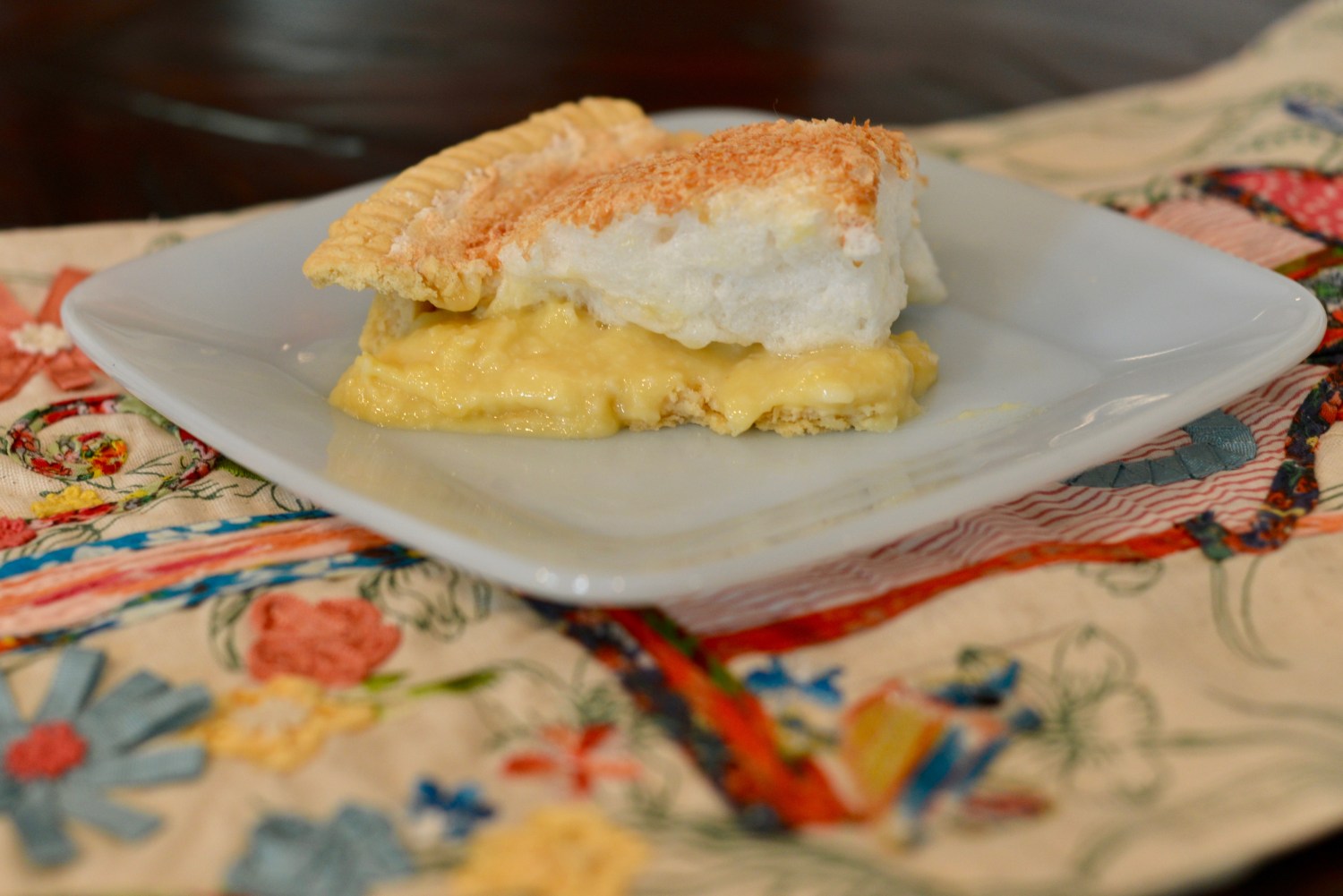
I’m really missing my Mammaw at the moment. Her health is not good, which is all the more painful since I live in South Carolina. I’m going home to see her soon, but in the meantime, I made my favorite from her vast collection of desserts. The first bite was a sense memory so divine it was almost like being there. Her classic Coconut Meringue Pie always brings her home to me – even if my offering is never quite as pretty as hers. It’s from that familiar red-and-white-checked tome, “Better Homes and Gardens New Cookbook,” but to me it will forever say, “Mammaw!” Enjoy!

DSC_9436

Coconut Meringue Pie:

Preheat oven to 450 to bake the pie crust then lower to 350 to finish the filled pie. I recommend covering the edge of the crust with foil for the final round of baking. Separate egg yolks from egg whites and set aside. You will use both of them in the recipe.

Piecrust:

  • 1 3/4 cups all-purpose flour
  • 3/4 teaspoon salt
  • 3/4 cup shortening
  • 1/3 water

Combine flour and salt then add shortening. Beat on low with an electric mixer until the dough forms small pea-sized balls. Add water, a tablespoon at a time, and beat on low for 15-20 seconds. Roll out and place in a 9-inch glass bottom pie dish. Bake the pie crust at 450 for 10 minutes then cool on a wire rack.

Coconut Cream Filling:

  • 1 cup sugar
  • 1/2 cup all-purpose flour
  • 1/4 teaspoon salt
  • 3 cups milk
  • 4 egg yolks
  • 3 tablespoons butter
  • 1 1/2 teaspoon vanilla
  • 1 cup coconut flakes

In a medium saucepan, combine sugar, flour and salt then gradually stir in the milk. Cook and stir constantly over medium heat until thick and bubbly. Reduce heat and stir for an additional two minutes. Remove from the heat. Gradually stir one cup of the hot mixture into the egg yolks then add the egg mixture to the saucepan. Stir in butter, vanilla and one cup of coconut flakes and pour into baked pie crust.

The Meringue:

  • 3 egg whites
  • 1/2 teaspoon vanilla
  • 1/4 teaspoon cream of tartar
  • 6 tablespoons sugar
  • 1/3 cup coconut flakes

Beat the egg whites, vanilla and cream of tartar for about one minute – or until soft peaks begin to form. Gradually add the sugar, about one tablespoon at a time. Beat at a high speed for roughly four minutes or until the mixture creates stiff, glossy peaks. Immediately spread over the coconut mixture and make sure to seal the meringue against the crust to prevent shrinkage. Sprinkle the coconut flakes over the top of the meringue and bake for 12 – 15 minutes (until golden) at 350. Cool at room temperature before serving.

The delightful table runner in this photo was actually a Christmas gift from Mammaw. So, a big thank you to her for always adding a little something special. See you soon, Mammaw. Y’all enjoy!

  • Uncategorized

Thoughts on Valentine’s Day Survival…

amagnoliasculinarychronicles's avatar amagnoliasculinarychronicles February 14, 2019

Whether you recoil every time you enter the supermarket this month to find an interior that looks like it’s been hosed down with Pepto Bismal or you are dodging that person who has a rapidly approaching expiration date, Valentine’s Day can totally stink. But it doesn’t have to – even without romance in your life.

For all you Dads of girls out there…what you do on Valentine’s Day matters and will matter for the rest of your little lady’s life. I never hated Valentine’s Day, even during my very single years, and here’s why:  every year, my Dad made me feel special whether I was alone or had a significant other in my life.  I always received a card, candy or something.

One of my fondest Valentine’s Day memories is from my last year of graduate school. My ex-boyfriend at the time was blissfully courting a Budweiser girl (barf) while I was painfully single and regularly sporting dark circles around my haggard eyes while pounding away at my master’s degree. I had a group of girlfriends over for an impromptu wine tasting – this was before my more responsible somm days of sniff, swish and spit. My best girlfriend had been dumped that very day and the remainder of our group was single – some nursing broken hearts, some not so much. Needless to say, we “tasted” like there was no tomorrow. Then my Dad called with his annual Valentine’s Day greeting. With a touch of a slur, I thanked him profusely then he announced that he wanted to treat all of us girls to dinner. My phone made the rounds as all the ladies said their thank yous then we strolled down the street to Blue Water Grill for a Valentine’s Day dinner. I don’t know how we wrangled a table, I cannot remember what we ate aside from the fact that it was seafood, and I can’t remember every topic of conversation we covered. I do remember that my beloved Boston Terrier, JD, was in attendance (more loyal than any man could ever be).

3746_1148347741931_1032699_n.jpg

I also remember one of my friends, a hilarious Brazilian beauty in the cinematography department at Chapman, suddenly leaned over the dock next to our table and vomited. She delicately dabbed her face with her cloth napkin, turned back to the table with a humiliated glance then uttered, “whoa, I feel much better.” Paroxysms of laughter healed our broken hearts and sheer magic filled the air as the sun set behind us.

The moral of the story is: make someone you love feel special on Valentine’s Day whether it be a friend, a parent, your child or a significant other. I know I’m married now and have a family, but it is my Dad that I always think of on this holiday because I knew I was  special to him. So, this Valentine’s Day, my husband and I will endeavor to make our son know how marvelous he is to us.  So, yeah, make someone you love feel special today.  Happy Valentine’s Day and cheers to Wayne Davis!

DSC_9090.jpg

  • Libations & Wine

Thanksgiving Wines that Dazzle

amagnoliasculinarychronicles's avatar amagnoliasculinarychronicles November 19, 2018

A day of giving thanks and feasting with those we hold most dear – what’s not to love about Thanksgiving!? It’s also a fabulous excuse to break out some stellar bottles of wine to savor the progression of the day as well as the people in it. The Thanksgiving table offers a cornucopia of flavors with something on offer for just about every palate – sweet, savory, umami, spice, sheer comfort. This does, however, present a rather tall order for pairing wines. Chardonnay aged in oak doesn’t quite suit. Cabernet is just too tannic for the beloved bird while Sauvignon Blanc is just too delightfully green for autumnal flavors. Nevertheless, there are a handful of failproof choices that I look to year after year. Although I do prefer to have a selection of varietals on hand, each and every bottle on this list can elevate the entire meal on its own and evolve with the journey of the feast. So without further adieu…

Saint-Chamant, Blanc de Blanc, Grand Cru, Brut – Champagne

Although I always enjoy kicking off the day with a glass of bubbly and good blanc de blanc Champagne is entirely capable of carrying the entire meal without any assistance. Why blanc de blanc? Well, when produced with care and aged sur lie (on its lees/the spent yeasts from fermentation) a magical thing happens. The wine takes on a yeasty quality akin to freshly baked brioche – hello, popovers and stuffing! That’s matched with bright, thirst-quenching acidity that cuts right through gravy fats and buttered mashed potatoes like a laser beam. Then there’s the minerality of kimmeridgian limestone that only Champagne can muster in the wide world of effervescence – a brined turkey here will reach unfathomable heights. All the stars align to make Thanksgiving pairings across that beautifully set table sheer magic. For a blanc de blanc that knows no rivals in my jaded, vinuous heart, I always swing for the grower Champagne of Saint-Chamant. Octogenarian vigneron, Monsieur Coquillette, has been nurturing his vines and hand-crafting his wines since the 1950’s – the epitome of farm-to-table, this grand old man even continues to hand-label all his own bottles!

For other great blanc de blanc Champagnes, you can also look to producers: Pierre Moncuit, Pol Roger, Vazart-Coquart and AR Lenoble.


Château d’Epiré, Savennières, Loire Valley – France

Chenin Blanc from Savennières is truly one of my favorite wines on the planet. In this special little pocket of the Loire Valley the wines are fermented bone-dry (unlike the subtly sweet offerings from the more well-known Vouvray) and here the unique schist minerality is truly something spectacular. Flavors of braised yellow apple, dried apricot, lemon peel and quince compote dance across the palate with notes of chamomile, honey comb, aged, nutty cheese and wet wool – can you think of a more fitting tango partner for turkey day? And although the flavors are warm and hauntingly inviting, the crisp acidity and taut minerality make for a balance that will keep you going for glass after refreshing, satisfying glass. As far as producers go, I love Château d’Epiré for their remarkable price to quality.

For other exceptional producers in the appellation, look to the incomparable Nicolas Joly’s Coulée de Serrant as well as Domaine du Closel, Domaine de la Bergerie and Thibaud Boudignon.

White Rose Estate, Willamette Valley, Pinot Noir – Oregon

Oregon’s status as the best price-to-quality Pinot Noir in the world is well-traversed ground. I’ve written enough to fill a Diana Gabaldon novel on the merits of Oregon Pinot, because it’s just that damn good. The climate – perfect. The soil – mind-bendingly complex. Simply put, Oregon’s Willamette Valley offers the New World’s greatest Pinot Noir at a fraction of the price for solid Red Burgundy. And although I love great Burgundy, I honestly don’t have the cash to serve a table of thirsty drinkers at my holiday table that sweet nectar of the gods. Nevertheless, if White Rose Estate’s Pinot Noir doesn’t charm even the most devout of Burgundy devotees, then I’ll eat my wine glass for Thanksgiving dinner. This pure beauty of bright red fruit, forest floor majesty, smoky minerality from the Jory soils and pitch-perfect, bright balance will elevate the savory elements of your turkey and dressing, make cranberry sauce zing across your palate and will dazzle and brighten just about any other side dish you choose to throw its way.

Other Oregon producers of Pinot Noir to look for this Thanksgiving are: Winderlea, Patricia Green, Eyrie Vineyards, De Ponte Cellars as well as Evesham Wood.


Julien Sunier, Cru Beaujolais, Fleurie – France

Cru Beaujolais is one of those wines that I fell for with the greatest reluctance, but once the flame was kindled there was just no turning back. I had always associated Beaujolais with Beaujolais Nouveau – bubblegum aromas and cheaply produced shlock. Then I tasted Cru Beaujolais from a true artisan who crafted his wine as his ancestors had before him – organic/biodynamic vineyards, whole-cluster fermentation, indigenous yeasts and proper aging in old, neutral foudres (massive oak barrels that do not leave a footprint) – the result was a staggeringly elegant wine of such purity of fruit and sense of place, that I could scarcely believe I was drinking Beaujolais. Julien Sunier’s wines are just that – pure, unadulterated, terroir-driven from granite soils, and an example of what truly great Gamay (the grape of Beaujolais) should be. He’s followed in the footsteps of greats like Marcel Lapierre, but he’s made a name for himself that’s entirely worthy of the pioneers that came before. With aromatics and flavors of cold bing cherry, fresh strawberry and a hint of cranberry laced with peony, herbs de Provence, white pepper and granitic minerality, this lithe, refreshing and silky red beauty will give the savory, spicy and complex flavors of the Thanksgiving table wings. If you’re looking for one wine to rule them all for Thanksgiving, this is it.

For other Cru Beaujolais offerings, look for Cru Beaujolais from the villages of Morgon or Fleurie from these producers: Marcel Lapierre, Jean-Paul Brun, Jean Foillard or Jean-Paul Thévenet.

Happiest of Happy Thanksgivings, y”all! And to my Canadians, I’m sorry this is too late for 2018 – love to you all!


Posts pagination

1 2 3 Next
Blog at WordPress.com.
A Magnolia's Culinary Chronicles
Blog at WordPress.com.
  • Subscribe Subscribed
    • A Magnolia's Culinary Chronicles
    • Join 27 other subscribers
    • Already have a WordPress.com account? Log in now.
    • A Magnolia's Culinary Chronicles
    • Subscribe Subscribed
    • Sign up
    • Log in
    • Report this content
    • View site in Reader
    • Manage subscriptions
    • Collapse this bar
 

Loading Comments...